Bologna Cooking Classes: Pasta, Tortellini and Ragù with a Sfoglina
Hands-on Bologna cooking classes where you roll sfoglia, fold tortellini and make real ragù with a sfoglina. Operators, formats, prices and honest booking advice.
If you do one thing with your hands in Bologna, make it pasta. A cooking class in this city is not a tourist demonstration — it is three hours of actual work: flour and eggs on a wooden board, a long rolling pin called a mattarello, and a sfoglina beside you correcting your technique until the sheet is thin enough to read through. You roll tagliatelle, fold tortellini around a fingertip, and then sit down and eat everything you made with a glass of local wine. You leave with stained hands, a full stomach, and a skill you can reproduce at home.
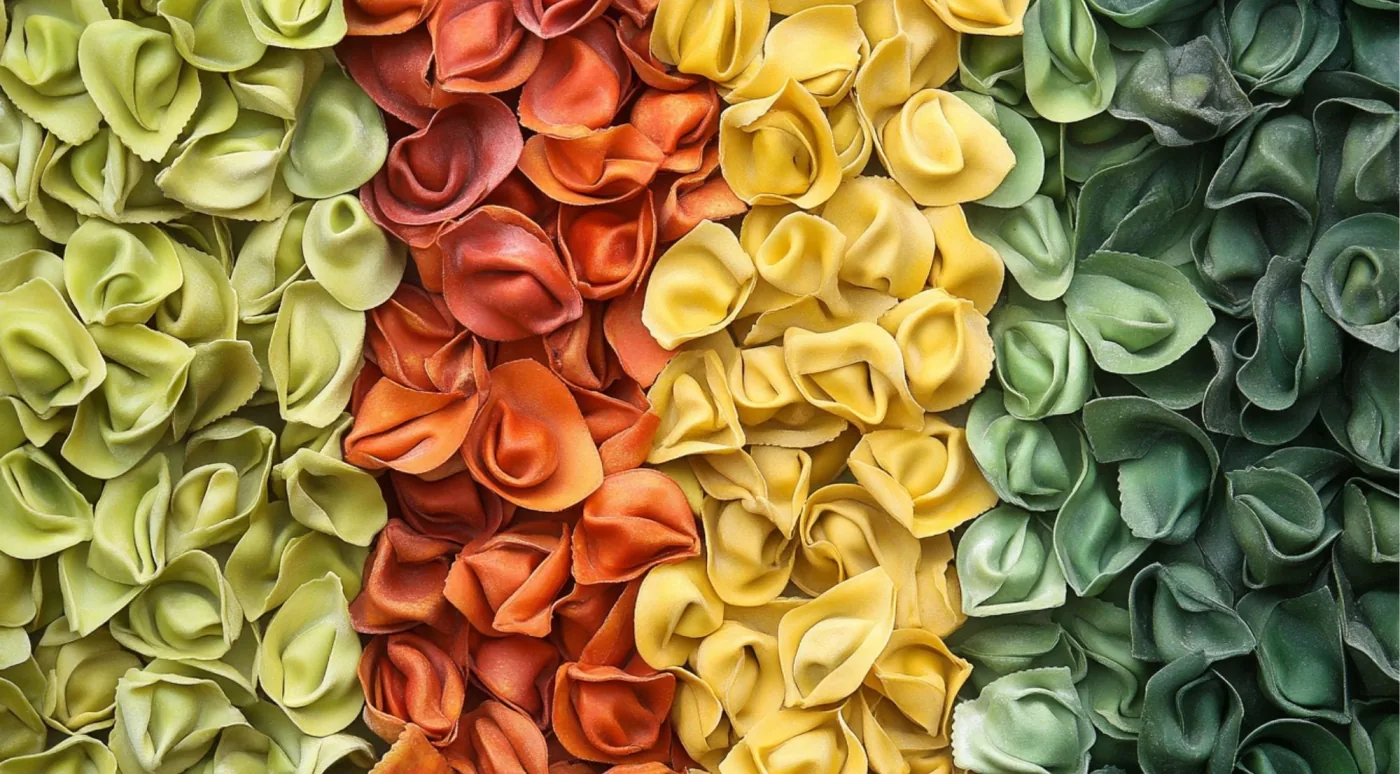
That is the core experience. Below is everything you need to choose the right class, understand what you’ll make, and book with confidence.
The pasta and spritz class below is the highest-rated cooking experience in Bologna on GetYourGuide, with more than 1,200 reviews. Check live dates for your trip.
What a sfoglina is — and why it matters
A sfoglina is a pasta master, traditionally a woman, who makes sfoglia — the thin egg-pasta sheet — entirely by hand with a long wooden rolling pin and a board. No pasta machine. The skill is to stretch the dough evenly as you roll outward, rotating the sheet, until it reaches the correct thinness (roughly translucent, around 1 mm or less depending on the shape to be cut).
The craft is a living tradition specific to Emilia-Romagna, and Bologna in particular. The Associazione Sfogline di Bologna e Provincia was founded in 2011 to protect and pass on the skill. Why hand-rolled beats machine-rolled: stretching rather than pressing the dough creates tiny surface pores that let ragù, butter and sauce cling to the pasta rather than sliding off. It is a material difference, not a romantic one.
Alessandra Spisni is the most famous contemporary sfoglina — a TV personality who founded La Vecchia Scuola Bolognese, long described as the only school in Bologna training professional sfogline. The organisation now operates as the Associazione delle Sfogline VSB Bologna at Via del Partigiano 7 in Parco Nord. Note: many websites still list the old Via Galliera 11 address; verify before travelling.
A cooking class pairs naturally with a morning in the Quadrilatero — you see the raw ingredients before you cook with them. Add a guided food tour to taste the finished dishes from the city’s best family-run shops and osterie, and consider a day out to a Parmigiano Reggiano dairy if you want to see where the cheese you cooked with was made.
What you actually make
The dough
The foundation of a Bologna cooking class is the dough: tipo 00 flour and whole eggs, one egg per 100g of flour, nothing else — no water, no oil, no salt. The quantities are fixed; the technique is what takes practice.
The dishes
From the sfoglia you’ll typically make:
Tagliatelle — flat ribbons cut from the rolled sheet. The officially correct width of a cooked tagliatella is 8 mm (approximately 6.5–7 mm uncooked), fixed on 16 April 1972 by the Bologna delegation of the Accademia Italiana della Cucina. A solid-gold replica at the correct width is kept at the Palazzo della Mercanzia.
Tortellini — tiny parcels (around 2g each) filled with a mixture of pork loin, prosciutto, mortadella, Parmigiano Reggiano, egg and nutmeg, then folded around a fingertip into a ring. The filling recipe was formally deposited at Bologna’s Chamber of Commerce on 7 December 1974; the shape specification was added in 2008. Traditionally served in brodo — floating in a clear capon or beef broth.
Tortelloni — roughly twice the size of tortellini, traditionally vegetarian: ricotta with spinach or parsley. Served with butter and sage.
Lasagne verdi — green (spinach) egg-pasta sheets layered with ragù, béchamel and Parmigiano. Recipe deposited in 2003.
Ragù alla bolognese
Most classes teach the real ragù: beef, pancetta, soffritto, a modest amount of tomato, wine and milk. No garlic, no herbs, no cream. Formally deposited at the Chamber of Commerce on 17 October 1982, with the recipe updated on 20 April 2023. Because authentic ragù needs three to four hours of slow simmering, most classes teach the method and technique while serving a batch made in advance by the kitchen — you taste the result while your own version cooks.
Spaghetti bolognese does not exist in Bologna. The authentic pairing is ragù with tagliatelle. Every good cooking class will be clear about this.
Some classes add gnocco fritto, tigelle, piadina, or tiramisù depending on the operator and duration.
Who runs cooking classes in Bologna
Home-kitchen networks
Cesarine (Home Food) — Italy’s oldest home-cook network, founded in Bologna in 2004, now with around 1,500 cooks nationwide. You cook in a local host’s own kitchen: warmth, cultural connection, and a genuinely domestic atmosphere. Indicative price around €79–€99 per person.
Teaching kitchens and tour operators
Taste Bologna — a central group class focused on the “Holy Trinity”: tagliatelle al ragù, tortelloni and tortellini in brodo, with wine. Maximum 12 guests; from approximately €115 per adult.
Il Salotto di Penelope — one of the oldest central schools (founded 2010), known for explaining the why behind each technique rather than just demonstrating. Approximately €110–€140 per person.
Cook Italy (Carmelita Caruana) — “market-to-table” classes, the session starting with shopping at Mercato delle Erbe before cooking. Runs year-round except Sundays, public holidays and mid-August.
Emilia Delizia — market tour plus cooking class, also starting at Mercato delle Erbe. Honest about dietary limitations in advance.
Delicious Bologna — “Sfoglina Martina” — a class held inside a working pasta workshop with a professional sfoglina.
Pasta laboratory
Cultura Italiana — Bologna Cucina — a range of courses from amateur to professional level, including vegetarian and pastry-focused options.
Multi-day and countryside
Bluone Food & Wine Tours — licensed Bologna operator since 1995, offering multi-day itineraries combining classes with market visits, producer tours and wine.
Curious Appetite — tasting tours and pasta classes run by sommelier and food writer Coral Sisk.
La Vecchia Scuola Bolognese / VSB
The serious sfoglina school — everything from tourist-facing demos to a professional qualification course (approximately €6,000). Now operating as the Associazione delle Sfogline VSB Bologna at Via del Partigiano 7, Parco Nord.
Booking platforms
GetYourGuide, Viator, Airbnb Experiences, Withlocals, Cookly and Musement all list independent cooking hosts. Read recent reviews carefully: check who actually teaches (the named host or a stand-in), the maximum group size, and exactly what is included before booking.
The top-rated classes available now
Live dates for our top pick are in the calendar at the top of this page. Two more classes are worth knowing about before you choose a format.
If you’d rather finish with tiramisù than a spritz: Bologna: Pasta and Tiramisu Cooking Class with Wine — from €55, rated 4.82/5 across 871 reviews. The same pasta work, with the dessert made from scratch instead of the aperitivo.
If you want to cook in somebody’s kitchen rather than a school: Bologna: Pasta & Tiramisu Class at a Local’s Home with Wine — from €85, rated 4.95/5, though from only 88 reviews. Smaller, slower, and more expensive per head.
Class formats
Standard group class in a teaching kitchen — the most common format; 8–12 guests, a trained instructor, a dedicated kitchen. The best option for technique and consistency.
Home-kitchen class (Cesarine, Withlocals) — fewer guests (often 4–6), more intimate, cooking alongside your host in their own apartment.
Market tour plus class — the session begins with shopping at Mercato delle Erbe or the Quadrilatero, then moves to the kitchen. Best for understanding where ingredients come from.
Private class — you book the whole session for your group alone. More expensive but fully flexible on timing, dietary needs and what you make.
Half-day vs full-day — most classes are half-day (3–4 hours). Full-day formats usually add a market visit and a more extensive menu.
Kids and family classes — several operators welcome children and price them separately; a few are adults-only, so check before booking.
Professional and multi-day courses — La Vecchia Scuola Bolognese and Bluone Food & Wine Tours offer serious multi-day programmes. These are qualitatively different from tourist classes.
Practicalities
Duration: Most classes run 3 hours; market-tour formats run 3.5–4 hours. The sit-down meal is included in this time.
Group size: Standard group classes cap at 8–12; home and private options are smaller.
What’s included: Apron, all ingredients, the meal you make, wine (usually local Pignoletto and Lambrusco), and recipe cards or a PDF to take home.
Languages: Classes are conducted in English at almost every operator that takes international bookings.
Dress: Closed-toe shoes and clothes you don’t mind getting flour on.
Dietary needs — honestly:
- Vegetarian: Workable everywhere. Tell the operator at booking and they’ll swap or omit meat-based fillings.
- Vegan: Genuinely difficult. Fresh egg pasta requires eggs; most operators offer vegan options only by prior arrangement in a private class.
- Gluten-free / coeliac: Very challenging for fresh pasta. Cross-contamination risk is high in any kitchen making sfoglia. A coeliac-safe class is rare; if it matters to you, contact the operator directly before booking, and treat any reassurance you receive with caution unless they specify their protocols.
When they run: Most classes operate Monday to Saturday and close Sundays. Many close for most of August around Ferragosto.
Booking ahead: 2–4 weeks in spring (April–June) and autumn (September–October). Private classes in particular fill early.
Price guide
| Format | Indicative price per person |
|---|---|
| Shared / home-kitchen class | €45–€85 |
| Standard group class, central Bologna | €90–€130 (Taste Bologna from ~€115; Cesarine ~€79–€99) |
| Private class | From €130, depending on group size |
| Multi-day / market-to-table programmes | Priced separately |
All figures are indicative and subject to change. Always confirm current pricing at booking.
Cooking class vs food tour
| Cooking class | Food tour | |
|---|---|---|
| What you get | A skill you can reproduce at home, plus a meal you made | Breadth: 8+ tastings across the city, cultural context at each stop |
| Best for | Hands-on learners, couples, families wanting a calm focus | First-timers, those who want to graze widely in a few hours |
| Duration | ~3 hours | 2.5–4 hours (city) or full-day (Food Valley) |
| What you take home | Recipes and technique | Knowledge of what to eat and where to find it |
| Involves cooking | Yes | No |
Most visitors with two or more days in Bologna do both — a food tour early in the trip to taste widely and understand the landscape, and a cooking class later to go deeper on one thing and learn how to reproduce it. If you only have time for one, read our food tour vs cooking class comparison for a side-by-side breakdown.
FAQ
How much does a Bologna cooking class cost?
A shared group class runs roughly €45–€85 for home-kitchen or budget formats; €90–€130 for a central class with wine and a full meal. Private and market-to-table sessions cost more. All figures are indicative — confirm at the time of booking.
How long do classes last?
Most run about 3 hours, including the sit-down meal. Market-tour formats typically add 30–60 minutes.
Do you eat what you cook?
Yes — the sit-down meal is the finale of the class. You make tagliatelle, tortellini or tortelloni, and then eat them with local wine.
Do you need cooking experience?
None. Every class is designed for complete beginners; the instructor adjusts to the group’s pace.
Are classes suitable for children?
Many are. Several operators price children separately and offer family-friendly timing. A few are adults-only — check before booking.
Can vegetarians and vegans join?
Vegetarians can join most classes with advance notice — tortelloni with ricotta and spinach is a standard vegetarian alternative to the meat-filled tortellini. Vegans face a fundamental challenge since the dough is made from eggs; private classes booked well in advance are the realistic route.
Do you get the recipes to keep?
Yes — most operators send PDF recipes by email after the class, and some provide printed cards on the day.
Are classes in English?
Yes; almost all operators that take international bookings work in English. Many hosts are bilingual.
How far ahead should I book?
2–4 weeks during the spring and autumn peaks. Private classes and small-group formats at popular operators fill earlier.
What is the difference between tortellini and tortelloni?
Size and filling. Tortellini are tiny (~2g each), meat-filled (pork, prosciutto, mortadella, Parmigiano), and served in brodo — in a clear broth. Tortelloni are roughly twice the size, traditionally vegetarian (ricotta with spinach or parsley), and served with butter and sage.
Can you really learn to make authentic ragù alla bolognese?
Yes. The recipe has been formally deposited at Bologna’s Chamber of Commerce: beef, pancetta, soffritto, a little tomato, wine and milk. No garlic, no herbs, no cream. Because authentic ragù needs 3–4 hours of slow simmering, most classes teach the method and serve a pre-made batch while yours cooks — you still learn the technique and leave with the recipe.
Taste Bologna Like a Local — One Unforgettable Walk
Join 1,870+ guests who rated this experience 4.8/5. Tortellini, mortadella, Parmigiano Reggiano, Lambrusco, and gelato — sampled across the historic centre with an expert local guide. Free cancellation.
Check Availability & Book