Bologna in Winter: 15 Best Things to Do from December to February
Bologna in winter: 15 of the best things to do, December to February weather, Christmas markets, food tours, cooking classes, holiday closures and practical tips.
Walk beneath centuries-old porticoes, eat tortellini in steaming broth, browse the Christmas markets and learn to make fresh pasta. Bologna is at its cosiest in winter.
Quick facts: December to February · average highs about 8–10 °C · ideal stay: two or three days.
Bologna is well worth visiting in winter, especially if you love food, history, museums and a lively city. December is festive, January is quieter after Epiphany, and February brings slightly longer days. Cold, damp or foggy weather is possible all season, but the covered porticoes and the many indoor sights make it easy to manage.
Unlike a seaside resort, Bologna doesn’t shut down for winter, and markets and restaurants stay at the centre of everyday life. Holiday closures, shorter tour schedules and the occasional trade fair should still shape your plans.
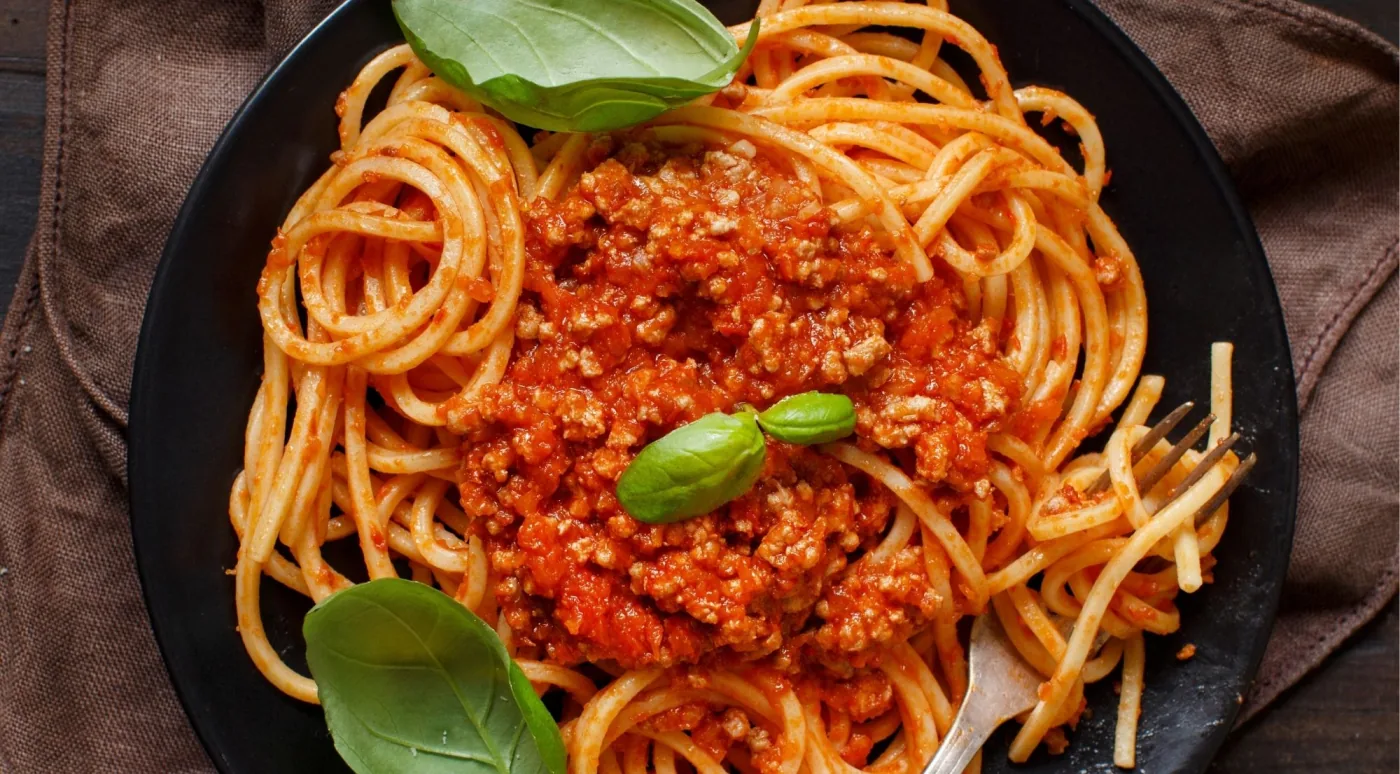
On a cold or wet afternoon, a pasta class keeps you indoors for three hours and ends with a meal. The Bologna: Pasta Cooking Class, Ragu, Spritz, Wine & Gelato has you roll tagliatelle by hand and eat it with ragù, a spritz, local wine and gelato, from €63 per person. Winter departures vary by day, so check your dates in the calendar below.
Winter at a glance
| Question | Answer |
|---|---|
| Best for | Food, architecture, museums, city breaks |
| Coldest month | January, by a small margin |
| Average high | About 8 °C in December, 7.5 °C in January and 10 °C in February |
| Snow | Possible, but unreliable |
| Rain and fog | Both possible; fog is common on winter mornings |
| Food tours and classes | Offered on selected winter dates |
| Christmas fairs | From November into early January, depending on the fair |
| Ideal stay | Two or three days |
These are long-term averages for the city centre, not a forecast. Our best time to visit Bologna guide has the figures for every month.
Winter is a good season for indoor food experiences: pasta classes in the centre or in a local’s home, guided tastings in the Quadrilatero market lanes, wine cellars in the Colli Bolognesi hills and day trips to the Parmigiano Reggiano dairies and balsamic vinegar producers of Modena and Parma.
December vs January vs February
December is best for the Christmas markets, festive streets and seasonal cakes. The downside is short daylight and closures around 24–26 December and New Year’s Eve. January is usually the coldest month and fairly quiet after 6 January; plan around restaurants that close for a post-holiday break. February is still chilly, but the longer afternoons make sightseeing easier; check the events calendar for fairs that push up hotel prices.
If you’re travelling a little earlier, our Bologna in November guide covers the late-autumn weather and the first Christmas fairs.
15 best things to do in Bologna in winter
1. Take a traditional Bologna food tour
The Quadrilatero’s food shops make Bologna an ideal city for a walking tasting tour. Try mortadella, cheese, balsamic vinegar, regional sweets and, on some tours, fresh pasta or wine. A knowledgeable guide gives you history and context as well as snacks. Look at the quantities: a tour with three small tastings isn’t the same as a substantial lunch.
- Our pick: the Bologna: Walking Food Tour with a Local Expert (from €78, 4.8/5 from more than 2,000 reviews) runs for three hours, with five stops, two homemade pastas, wine and gelato. Our walking food tour guide describes each stop.
- The official city walk: Bologna Welcome advertises a two-hour Taste of Bologna walk at €55, with three tastings and a sweet treat, and an English-language winter schedule from Friday to Sunday at 4 pm. Check availability for your exact date.
2. Eat tortellini in brodo
Tiny handmade meat-filled pasta parcels served in a golden broth are especially satisfying on a cold day. The traditional filling contains pork and Parmigiano Reggiano, and the broth is normally made with meat. Look for it in a traditional trattoria; don’t expect every market food stand to serve it.
3. Explore the UNESCO-listed porticoes
Bologna has about 62 km of covered arcades, although not all of them connect and not all of them keep you dry. Start with the Pavaglione, Via dell’Indipendenza and Strada Maggiore. Look up at the old columns, brickwork and frescoes, and wear shoes with good grip on wet paving.
4. Browse the Christmas markets
The Santa Lucia fair runs from 6 November to 27 December 2026 on Strada Maggiore, and the Porta Galliera and Via Altabella fairs continue into early January 2027. The short French Christmas Village is scheduled for 5–8 December 2026. Bologna’s fairs are generally smaller and more traditional than the big German-style markets, with decorations, nativity figures, gifts and sweets.
5. Learn to make pasta
A three-hour class in a local’s home is an excellent rainy-day plan. Ask whether you knead and roll the dough yourself, which shapes you’ll make and whether you get a full meal or only a tasting.
- Our pick for a class in a local’s home: the Bologna: Pasta-Making Class at a Local’s Home (from €89, 5.0/5 from 104 reviews) takes two to three hours with a home cook, and you eat what you make with wine.
- A larger class in the centre: the pasta class with ragù, spritz and gelato (from €63, 4.9/5 from more than 1,300 reviews) is the one in the calendar above.
Our Bologna cooking classes guide compares more of them.
6. Visit Piazza Maggiore and San Petronio
The square is Bologna’s historic heart, lined with grand civic buildings and the enormous Basilica di San Petronio, with the Neptune Fountain around the corner. Church access can be restricted during services. Allow one or two hours for the area.
7. See the Archiginnasio and the Anatomical Theatre
This historic university building has richly decorated corridors and an unusual carved wooden room once used to teach anatomy. It’s close to Piazza Maggiore and ideal for a winter day. Check the separate ticket times and the Sunday closure before you go.
8. Explore the Quadrilatero and Mercato di Mezzo
Wander along Via Pescherie Vecchie and Via Drapperie to see cheese wheels, mortadella, fresh tortellini and old shopfronts. Mercato di Mezzo has easy indoor places to eat, although each shop keeps its own hours. Go in the morning for the market bustle. Our Quadrilatero guide covers the lanes in more detail.
9. Visit San Luca on a clear day
The hilltop sanctuary is reached by a long uphill portico with 666 arches. The climb can be rewarding in cool air, but fog, rain and slippery paving are reasons to pick another day. It takes far longer than a stroll in the centre, so allow half a day if you walk up and back.
10. Choose an art or history museum
The Pinacoteca Nazionale is strong on Italian painting and MAMbo on modern and contemporary art, while the Archaeological Museum and Palazzo Pepoli cover the city’s history. Pick one or two that match your interests, and check their closing days.
11. Enjoy an aperitivo in a local wine bar
With evenings starting early, try a Pignoletto or a dry Lambrusco in an osteria. Food isn’t always included with a drink, and some places charge separately for small plates. Choose a bar with a clear menu instead of assuming every aperitivo comes with a buffet.
12. Discover Santo Stefano
The square and the connected churches of the Santo Stefano complex, known as the Seven Churches, show another side of medieval Bologna. Some courtyards are open to the sky, so you won’t stay completely dry, but the interiors are rewarding on a winter afternoon.
13. See Bologna from the Clock Tower
Clear winter days can give fine views over the city’s terracotta roofs. The Asinelli Tower is still closed to visitors, and the Clock Tower in Palazzo d’Accursio is a good alternative, depending on timed-ticket availability and visibility. Our Bologna tours guide has more on the towers and viewpoints.
14. Take a food day trip to Modena or Parma
Modena is the place for traditional balsamic vinegar, and Parma for Parmigiano Reggiano dairies and Prosciutto di Parma. Both historic centres are easy to reach by train, but most producers need a booking and are outside the towns. Dairy visits are best early in the morning, when the cheese is being made.
- Our pick from Bologna: the Bologna Food Valley Experience: Factories, Winery & Lunch (from €153, 4.9/5 from 145 reviews) visits a Parmigiano Reggiano dairy, a balsamic vinegar producer in Modena and a winery, with lunch.
- Our pick around Parma: the Parma: Cheese, Ham, & Balsamic Vinegar Tour with Tastings (from €170, 4.8/5 from 325 reviews) covers a cheese dairy, a ham-curing house in Langhirano and a balsamic vinegar producer.
Some producer tours run only part of the year, so check that your winter date appears in the calendar. Our Parmigiano Reggiano tours guide compares the dairy visits.
15. Check the seasonal cultural events
December brings the Christmas events, 6 January is Epiphany, and February often has big arts events. The official tourism programme lists Arte Fiera, the contemporary art fair, in early February 2027; check the updated calendars, as plans can change.
The best winter dishes
| Dish | Why try it |
|---|---|
| Tortellini in brodo | Tiny filled pasta in a warming broth |
| Tagliatelle al ragù | Handmade egg ribbons with a slow-cooked meat sauce |
| Lasagne verdi | Green pasta layered with ragù and béchamel |
| Gramigna alla salsiccia | Short curly pasta in a sausage sauce |
| Passatelli in brodo | Soft breadcrumb-and-cheese pasta in broth |
| Mortadella | The classic salumeria tasting |
| Crescentine | Fried dough served with cheese and cured meats |
| Certosino and panone | Traditional Bolognese Christmas cakes |
Most of these dishes are on menus all year, but certosino and panone belong to November and December. A short food tour introduces several products at once; a cooking class is better if you want to learn a technique you can repeat at home. Our what to eat in Bologna guide covers the dishes in more detail.
Food tour or cooking class?
Choose a food tour if it’s your first visit and you want the city explained through its markets and specialities. Choose a cooking class if you prefer a hands-on activity that’s mostly indoors. On a three-day trip you can fit in both without repeating yourself. Either way, check what’s included, how much food there is, the group size, the language, the dietary options and the cancellation policy. Our food tour vs cooking class guide compares the two in more detail.
A practical two-day winter itinerary
Day 1: morning coffee, Piazza Maggiore, San Petronio, the Archiginnasio and the Quadrilatero, with traditional pasta for lunch. Visit Santo Stefano and walk the porticoes in the afternoon. Finish with an aperitivo and dinner, or plan the afternoon around a confirmed 4 pm food-tour departure.
Day 2: walk up to San Luca on a clear morning, or visit the Pinacoteca or MAMbo if it’s wet. Browse the Mercato delle Erbe, then join a pasta-making class. In December, keep some of the evening for the Christmas fairs.
Winter holiday closures
| Date | What to know |
|---|---|
| 8 December | Immaculate Conception, a public holiday |
| 24 December | Christmas Eve; some places close early |
| 25 December | Christmas Day; many places close |
| 26 December | St Stephen’s Day, a public holiday |
| 31 December | Special dinners; book ahead |
| 1 January | New Year’s Day; reduced opening is possible |
| 6 January | Epiphany, a public holiday |
A market’s published season does not mean every stall opens on 25 December or 1 January. The same goes for restaurants, museums and tours.
Where to stay, getting around and budget
For a first visit, stay in the historic centre near Piazza Maggiore or Santo Stefano. Via dell’Indipendenza is handy for the railway, and the area around Bologna Centrale suits visitors taking frequent day trips by train. Check the heating, the soundproofing and recent reviews for winter comfort.
Bologna Centrale is about 15–20 minutes’ walk from Piazza Maggiore. You don’t need a car for sightseeing in the centre, and many nearby cities are well connected by train. The Marconi Express runs from the airport to Bologna Centrale; check the fare and service before you travel.
Sightseeing in the city can be cheap: the porticoes and squares are free, while museums and workshops charge admission. As rough planning figures, not live prices, allow about €50–75 for a short food tour and €50–120 or more for many hands-on classes. Fair weekends and Christmas dates can push up hotel rates.
Pack a warm, water-resistant coat, a scarf, gloves, layers and comfortable shoes with good grip. December and January have especially short afternoons, so do the viewpoints early and keep food and museums for later in the day.
Frequently asked questions
Is Bologna worth visiting in December?
Yes. Come for the markets, the festive atmosphere and the traditional food, and plan around the short days and public holidays.
Is Bologna worth visiting in January?
Yes. It’s often quieter after Epiphany and good for museums, restaurants and cooking classes, although some independent places take a break.
Is February a good time to go?
Yes. It’s chilly, but the days are getting longer. Check the dates of the big events that can push up hotel prices.
Does it snow in Bologna?
Occasionally, but not reliably. Rain, fog and cold are the more usual things to plan for.
Are restaurants and food tours open in winter?
Many are. Always check your exact date, especially between Christmas and Epiphany.
Can you walk around Bologna in the rain?
Yes, under many of the porticoes. They don’t form one connected waterproof route, so bring rain protection.
How many days do you need?
Two days for the main sights and a food experience; three for a more relaxed trip or a day out of the city.
Is Bologna better than Florence in winter?
Bologna is better for regional food and covered walks through the city, while Florence has the famous Renaissance monuments and museums. Choose by your interests.
Final verdict
Bologna is an excellent winter city break for food, history and atmosphere. December is best if you want the festive season, January if you want a quieter visit, and February for a weekend of art and food. Pick a few experiences that matter most to you, leave room for the weather and book ahead for the holiday dates, because restaurants and tours fill up then.
Sources and further reading
- Bologna Welcome: Winter in Bologna
- UNESCO: The Porticoes of Bologna
- Taste of Bologna food walking tour
- Bologna Welcome: Christmas in Bologna
- Bologna Welcome: The Two Towers
Researched on 15 October 2026. Check dates, access, fares and availability for your visit. If you book through the links on this page, we may earn a commission at no extra cost to you.
Taste Bologna Like a Local — One Unforgettable Walk
Join 1,870+ guests who rated this experience 4.8/5. Tortellini, mortadella, Parmigiano Reggiano, Lambrusco, and gelato — sampled across the historic centre with an expert local guide. Free cancellation.
Check Availability & Book