What to Eat in Bologna: The Essential Dishes
The essential Bologna foods — tortellini in brodo, tagliatelle al ragù, mortadella, Parmigiano, gnocco fritto, Lambrusco and more, and where a food tour fits them in.
Bologna is nicknamed la Grassa — “the fat one” — and it earns the title. This is the capital of Emilia-Romagna, the region that gave the world Parmigiano, mortadella, balsamic vinegar and the egg pasta that most of us only think we know. The food here is rich, unfussy and deeply tied to place: many of the ingredients carry legal protection, and many of the dishes are made the same way they’ve been made for generations. Here are the specialities worth seeking out, what each one actually is, and how locals eat it.
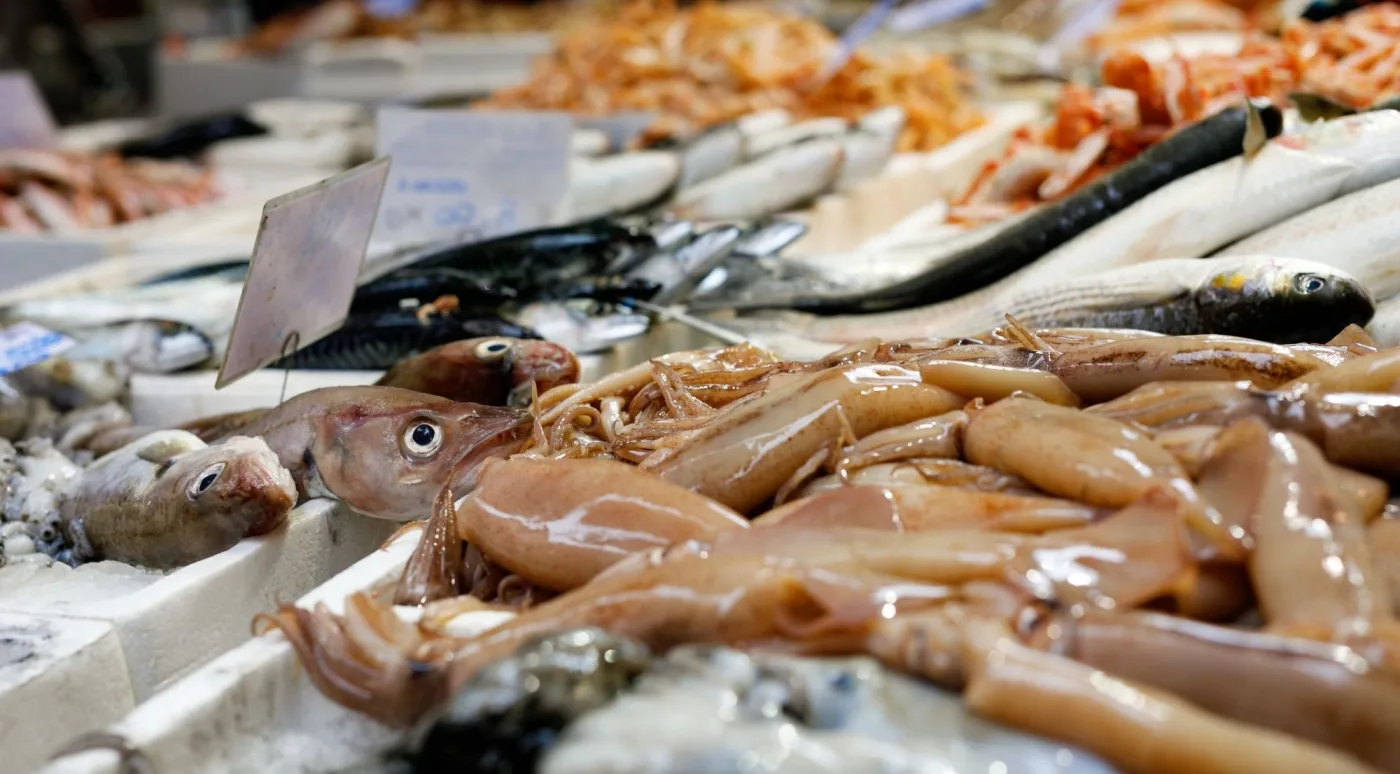
A guided food tour sequences all of these — mortadella at a historic deli, Parmigiano with aged balsamic, fresh pasta and gelato — in the right places and the right order. Check live dates below.
Tortellini in brodo
The dish Bologna holds closest. Tortellini are tiny parcels of fresh egg pasta, filled with a mix of pork, prosciutto, mortadella and Parmigiano, then folded by hand into a ring. The traditional way to serve them is in brodo — floating in a clear, slow-simmered capon or beef broth — not smothered in sauce. It is comfort food and celebration food at once, the plate that appears on the table at Christmas and on Sundays. Eaten locally, it’s savoured for the delicacy of the filling and the depth of the broth, so resist the urge to ask for cream.
Tortelloni
Tortellini’s larger cousin. Where tortellini are meat-filled and served in broth, tortelloni are bigger squares filled with ricotta and spinach (or sometimes just ricotta and herbs), and served dressed rather than in soup. The classic dressing is beautifully simple: melted butter and sage, with a shower of Parmigiano. It’s a good reminder that Bolognese cooking often does most with least.
A food tour is the most efficient way to taste the dishes above — but Bologna rewards more time. A pasta cooking class lets you roll tagliatelle and fold tortellini yourself; a full-day trip into Emilia-Romagna takes you to the Parmigiano Reggiano dairies, balsamic acetaie and prosciutto cellars behind the ingredients. Browse what’s available below.
Tagliatelle al ragù — the real “bolognese”
This is the dish the world knows badly. Spaghetti bolognese is not a traditional Bologna dish at all — it’s a version invented abroad, and you won’t find it on an authentic local menu. What Bologna actually makes is tagliatelle al ragù: long, flat ribbons of fresh egg pasta coated in a slow-cooked meat sauce of beef and pancetta, softened with wine and a little milk. The flat, porous tagliatelle catch the ragù far better than round spaghetti ever could — which is precisely the point. The city even keeps an official recipe for the ragù and the correct pasta width lodged with its chamber of commerce. Order this, not the spaghetti.
Lasagne alla bolognese
The green lasagne. Bolognese lasagne uses fresh spinach pasta (pasta verde), layered with the same ragù, a silky béchamel and Parmigiano, then baked until the edges crisp. It’s richer and more refined than most versions served elsewhere — no ricotta, no heavy tomato, just layers of pasta, meat sauce, white sauce and cheese in balance. A staple of Sunday lunches and family gatherings.
Mortadella di Bologna
The pink, silky cured pork that gave the city half its reputation — and the ancestor of what Americans call baloney, though the resemblance ends at the name. Mortadella Bologna carries PGI (IGP) protected status, so genuine mortadella must be made to a defined recipe within a designated production area. It’s studded with cubes of pork fat and often pistachios, and its flavour is gentle and aromatic. Locals eat it thinly sliced as an antipasto, tucked into warm bread, or whipped into a light mousse for crostini. It also finds its way into the tortellini filling.
Parmigiano Reggiano
The “King of Cheeses,” made in a zone that includes Bologna province. Parmigiano Reggiano holds DOP (PDO) status, the strictest tier of protection — every stage of production, from the milk to the ageing, must happen within the defined provinces, and each wheel is aged for a minimum period before it can carry the name. You’ll taste the difference age makes: younger wheels are milder and more milky, older ones (24 or 36 months) turn crystalline, savoury and complex. Eaten in chunks broken off with a special almond-shaped knife, never grated so fine you lose the texture.
Aged balsamic vinegar of Modena
From neighbouring Modena, and worth understanding properly, because two very different products share the name. Aceto Balsamico di Modena carries PGI status — this is the everyday balsamic, aged a short time, versatile in dressings and glazes. Above it sits Aceto Balsamico Tradizionale di Modena, which holds the stricter DOP status: made from cooked grape must alone, aged a minimum of twelve years (twenty-five for “extra vecchio”), and sold in a small bulb-shaped bottle. The traditional kind is used raw and in drops — over Parmigiano, strawberries or meat — as a luxury, not a salad dressing.
Gnocco fritto & crescentine/tigelle
Bologna’s answer to bread with your cured meats. Gnocco fritto is a pillow of dough deep-fried until golden and puffed, served hot; crescentine (also called tigelle) are small round breads cooked between hot moulds. Both arrive warm and are meant to be split open and filled with slices of mortadella, prosciutto or squishy soft cheeses like squacquerone. This is convivial, hands-on eating — the plate everyone reaches across the table for.
Prosciutto & culatello of Emilia-Romagna
The wider region is cured-meat heartland. Neighbouring Parma gives its name to Prosciutto di Parma, the sweet, delicately aged ham; deeper in the countryside comes culatello, made from the prized inner muscle of the leg, aged in the humid mists of the Po valley and considered one of Italy’s finest cured meats. Eaten simply — sliced paper-thin, on its own or with warm gnocco fritto — so nothing distracts from the meat.
Gelato
Bologna takes its gelato seriously, and the city is a good place to tell artisanal from industrial. Look for muted, natural colours, flavours that change with the season, and gelato stored in covered tubs rather than piled in fluffy neon peaks. Classic flavours to try include crema, pistachio, and fior di latte, alongside fruit sorbetti. Eaten on the move, on a stroll through the porticoes.
The drinks: Lambrusco, Pignoletto and Sangiovese
Emilia-Romagna’s wines are made to sit beside its rich food rather than upstage it. Lambrusco is the region’s signature — a lightly sparkling red, dry (secco) in its best form, whose acidity cuts cleanly through mortadella and cured meats. Pignoletto is the local white, crisp and often gently frizzante, a natural aperitivo. And Sangiovese di Romagna, from the eastern side of the region, gives a fuller red for the meatier plates. Each is a food wine first — order by the glass and let the guide or waiter pair it to your plate.
Tasting it all on a food tour
Working through this list solo means a lot of restaurants, a lot of guesswork, and the constant risk of the tourist-trap “spaghetti bolognese.” A guided Bologna food tour does the sequencing for you — mortadella and Parmigiano at a deli counter, fresh tortellini or tagliatelle where the pasta is still rolled by hand, gnocco fritto with cured meats, a glass of Lambrusco, and gelato to finish — all in the right order and the right places. You taste more, walk less, and learn what you’re eating as you go. Check availability for dates, and if you’re weighing your options, our guide to a food tour versus a cooking class explains which suits you best.
Taste Bologna Like a Local — One Unforgettable Walk
Join 1,870+ guests who rated this experience 4.8/5. Tortellini, mortadella, Parmigiano Reggiano, Lambrusco, and gelato — sampled across the historic centre with an expert local guide. Free cancellation.
Check Availability & Book